2023年12月7日星期四

How to Maintain PVC Hand Gloves Making Machine

 Maintaining a PVC hand gloves making machine is crucial for ensuring consistent performance, maximizing its lifespan, and producing high-quality gloves. Here are general guidelines for maintaining a PVC hand gloves making machine:

Daily Maintenance:

Inspect for Wear and Tear: Regularly check all components, including molds, rollers, and cutting tools, for signs of wear. Replace any worn or damaged parts promptly to prevent production issues.

Clean Residue: Clean any PVC residue or excess material from the machine components daily. This prevents buildup that could affect the quality of the gloves and the machine's efficiency.

Lubricate Moving Parts: Lubricate moving parts, such as chains and gears, to reduce friction and ensure smooth operation. Follow the manufacturer's guidelines regarding the type and frequency of lubrication.

Check Temperature Control: Verify that the temperature control settings are accurate and consistent. Fluctuations in temperature can affect the quality of the PVC gloves. Calibrate the temperature controls if necessary.

Weekly Maintenance:

Inspect Electrical Components: Examine electrical connections, wires, and control panels for any signs of damage or loose connections. Tighten connections and replace damaged wiring as needed.

Calibrate Sensors: If the PVC Production Line uses sensors for measuring thickness or other parameters, calibrate them weekly to maintain accuracy in glove production.


Inspect Pneumatic Systems: Check pneumatic systems for leaks, and ensure that air pressure is within the recommended range. Clean or replace air filters to maintain the efficiency of the pneumatic components.

Monthly Maintenance:

Check Alignment: Ensure that all components, especially molds and rollers, are properly aligned. Misalignment can lead to uneven gloves or increased wear on the machine.

Inspect Seals and Gaskets: Check seals and gaskets for signs of wear or damage. Replace any worn seals to prevent leaks and maintain airtight conditions.

Clean and Inspect Heating Elements: Clean heating elements and inspect them for any damage. Replace any faulty heating elements to maintain consistent and accurate temperature control.

Quarterly Maintenance:

Review Operating Manuals: Periodically review the manufacturer's operating manuals for any specific maintenance recommendations or updates. Follow any guidelines provided by the manufacturer.

Perform Preventive Maintenance: Engage in preventive maintenance tasks, such as adjusting tension settings, inspecting belts, and tightening fasteners. This helps prevent unexpected breakdowns and extends the machine's lifespan.

Annual Maintenance:

Schedule Professional Inspection: Arrange for a professional technician to conduct a thorough inspection and maintenance annually. They can identify and address potential issues that may not be apparent during routine checks.

Replace Wear Parts: Replace wear-prone components, such as molds and cutting tools, on an annual basis or as recommended by the manufacturer.

By following these maintenance guidelines at different intervals, you can ensure the optimal performance and longevity of your Disposable PVC gloves making machine. Always refer to the manufacturer's guidelines and consult with professionals when needed.

2023年10月19日星期四

Features of Gloves Counting Machine

 In today's fast-paced world, automation is key to enhancing efficiency and accuracy in various industries. One such innovation is the Gloves Counting Machine, a specialized device designed to streamline the process of counting and packaging gloves in industries like healthcare, food processing, and manufacturing. In this article, we will explore the key features of a Gloves Counting Machine and its benefits in different sectors.


Gloves Counting Machine


High-Speed Counting

Gloves Counting Machines are engineered to handle large quantities of gloves quickly and accurately. They employ advanced counting mechanisms that can count gloves at high speeds, significantly reducing the time and labor required for this task. With a rapid counting capability, businesses can meet their production demands more efficiently.

Precision Accuracy

Precision is paramount when it comes to counting medical or industrial gloves. These machines are equipped with advanced sensors and optical systems that ensure precise counting. Whether you need to count a few gloves or thousands, the Gloves Counting Machine can do so with unparalleled accuracy, minimizing the risk of errors in packaging.

Versatile Counting Modes

To cater to various glove sizes and packaging requirements, Gloves Counting Machines offer versatile counting modes. They can be adjusted to count gloves in batches, individually, or by weight. This flexibility allows businesses to adapt to different packaging needs and accommodate a wide range of glove types.

User-Friendly Interface

Most Gloves Counting Machines feature a user-friendly interface that makes them easy to operate. The intuitive controls and touchscreen displays simplify the setup and adjustment of counting parameters. Operators can quickly switch between counting modes and monitor the machine's performance with ease.

Customizable Settings

Each business may have unique requirements for counting and packaging gloves. Gloves Counting Machines offer customizable settings, allowing users to fine-tune the machine's operation to match their specific needs. This adaptability ensures that businesses can optimize their glove counting processes efficiently.

High Capacity Hopper

To maintain continuous counting and packaging operations, Gloves Counting Machines are equipped with high-capacity hoppers that can hold a substantial quantity of gloves. This minimizes downtime caused by frequent refilling and allows for uninterrupted production.

Sorting and Rejecting Mechanism

In some cases, gloves may be damaged, irregularly shaped, or not up to the required quality standards. Gloves Counting Machines often come with sorting and rejecting mechanisms that automatically identify and remove such gloves from the production line. This ensures that only high-quality gloves are packaged.

Integration Capabilities

Gloves Counting Machines can be integrated into existing production lines and packaging systems. They are designed to work seamlessly with other equipment, providing a cohesive and efficient workflow. This integration capability enhances overall production efficiency and reduces the need for manual handling.

Data Logging and Reporting

For quality control and record-keeping purposes, many Gloves Counting Machines are equipped with data logging and reporting features. These machines can record the number of gloves counted, reject rates, and other relevant data. This information is invaluable for maintaining quality standards and process optimization.

Conclusion

Incorporating a Gloves Counting Machine into your production process can lead to significant improvements in efficiency, accuracy, and overall productivity. These machines offer high-speed counting, precision accuracy, versatile counting modes, and customizable settings. With user-friendly interfaces and integration capabilities, they seamlessly fit into various production environments.

If you are interested in enhancing your glove counting and packaging processes or need a reliable supplier of Gloves Counting Machines, please do not hesitate to contact us. Our experts can help you find the right solution to meet your specific needs and streamline your operations. Embrace the future of automation with Gloves Counting Machines and stay ahead in your industry

2023年9月12日星期二

Revolutionizing Efficiency: The World of Glove Packing Machines

 In today's fast-paced industrial landscape, automation and innovation are driving significant advancements across various sectors. One such innovation that has garnered attention and transformed the glove manufacturing industry is the Glove Packing Machine. These machines have redefined efficiency, accuracy, and hygiene in the production and packaging of gloves. In this article, we'll explore the world of Glove Packing Machines, their functionality, benefits, and their impact on the industry.

**1. The Rise of Glove Packing Machines:

Gloves are indispensable in industries ranging from healthcare to food processing, and their demand is consistently high. As a result, the manufacturing and packaging of gloves must be streamlined to meet this demand efficiently. This is where Glove Packing Machines come into play.

**2. Functionality of Glove Packing Machines:

Glove Packing Machines are designed to automate the process of packaging gloves, whether they are latex, nitrile, or vinyl gloves. These machines are capable of a range of functions, including:

Counting: Glove Packing Machines can accurately count a predefined number of gloves, ensuring that each package contains the specified quantity.

Folding: Depending on the glove type and packaging requirements, these machines can fold gloves neatly and uniformly before they are packaged.

Packaging: Glove Packing Machines are equipped to package gloves in various formats, such as boxes, pouches, or individual packages.

Sealing: They seal the packages securely, preventing contamination and ensuring the gloves remain in pristine condition until they are used.


**3. Benefits of Glove Packing Machines:

The adoption of Glove Packing Machines has led to numerous benefits for glove manufacturers and end-users alike:

Enhanced Efficiency: These machines significantly increase the speed and efficiency of the packaging process. They can handle large volumes of gloves with precision and consistency, reducing labor costs and production time.

Accurate Counting: Manual counting can be prone to errors, leading to packaging inconsistencies. Glove Packing Machines eliminate this issue by providing precise glove counts for each package.

Improved Hygiene: Maintaining a sterile environment in glove production is critical, especially in industries like healthcare. Glove Packing Machines ensure that gloves are packaged in a clean and hygienic manner, minimizing the risk of contamination.

Customization: Manufacturers can tailor the packaging format according to their specific requirements, whether it's bulk packaging for industrial gloves or individual pouches for medical gloves.

Reduced Material Waste: Glove Packing Machines optimize packaging material usage, reducing waste and environmental impact.

Cost Savings: Over time, the automation provided by these machines translates into significant cost savings for manufacturers, making them a cost-effective investment.

**4. Impact on the Glove Industry:

The introduction of Glove Packing Machines has revolutionized the glove manufacturing industry in several ways:

Increased Production Capacity: Manufacturers can scale up their production capacity to meet growing demand without compromising on product quality or consistency.

Product Diversification: With the automation provided by these machines, manufacturers have the flexibility to produce a wider range of glove types and sizes to cater to various industries and applications.

Competitive Advantage: Companies that invest in Glove Packing Machines gain a competitive edge by delivering high-quality, efficiently packaged gloves to the market.

Quality Assurance: The precision and hygiene offered by these machines contribute to improved quality control, ensuring that gloves meet the required standards and specifications.

**5. The Future of Glove Packing Machines:

As technology continues to advance, we can expect further innovations in Glove Packing Machines. This may include enhanced automation, integration with quality control systems, and even more efficient material usage, leading to even greater cost savings and sustainability benefits.

In conclusion, Fengwang Glove Packing Machines have become a cornerstone of efficiency and quality in the glove manufacturing industry. They offer numerous advantages, from increased production capacity to improved hygiene and cost savings. As the demand for gloves continues to grow, these machines will play a pivotal role in meeting that demand while maintaining the highest standards of quality and precision. The world of glove packaging has been forever transformed, and it's safe to say that these machines are here to stay.

2023年7月23日星期日

How do you manufacture nitrile gloves?

 Nitrile gloves are a type of disposable gloves made from synthetic rubber called nitrile. They are widely used in various industries, including healthcare, food handling, chemical processing, and more. The manufacturing process of nitrile gloves involves several steps to ensure their quality and functionality. Here's an overview of the typical manufacturing process:

Step 1: Acquiring Raw Materials

The first step is to acquire the raw materials needed for nitrile glove production. The primary materials include nitrile rubber, which is a synthetic copolymer of acrylonitrile and butadiene. Other materials required are additives like accelerators, sulfur, and pigments for color.

Step 2: Compounding the Nitrile Rubber

In this step, the nitrile rubber is mixed with the additives in a process called compounding. The mixture is then heated and processed to create a uniform blend of the raw materials. The compounding step is crucial for achieving the desired properties and characteristics of the final gloves, such as flexibility, strength, and chemical resistance.

Step 3: Dipping and Forming

The compounding is then converted into a liquid form and used to coat glove molds. The glove molds are usually made of ceramic or aluminum, and they have the shape and size of the desired gloves. The molds are dipped into the liquid nitrile mixture, and a thin layer of the liquid adheres to the mold's surface.


Step 4: Vulcanization

After dipping, the gloves are then sent through a vulcanization process. Vulcanization involves subjecting the gloves to high heat, typically in an oven, to initiate the chemical cross-linking of the nitrile molecules. This cross-linking process strengthens the material, making it durable and enhancing its resistance to chemicals.

Step 5: Stripping

Once the gloves are vulcanized and the nitrile material has fully set, they are removed from the molds. This process is called stripping. The gloves are carefully removed from the molds without damaging their shape or integrity.

Step 6: Quality Control and Testing

Before packaging and distribution, the gloves undergo rigorous quality control and testing. This includes checking for defects, thickness consistency, tensile strength, and barrier properties. The gloves are also tested for leaks and pinholes to ensure they meet the required quality standards.

Step 7: Packaging and Distribution

The final step involves packaging the gloves for distribution. They are usually packaged in boxes of various quantities, depending on the intended use and market demand. The packaged gloves are then distributed to various industries and sectors that require disposable nitrile gloves for their specific applications.

Conclusion:

The manufacturing process of nitrile gloves involves compounding nitrile rubber with additives, dipping glove molds, vulcanizing the gloves, and then carefully stripping them from the molds. The gloves undergo thorough quality control and testing before they are packaged and distributed to various industries. Nitrile gloves offer excellent durability, chemical resistance, and barrier protection, making them a popular choice in numerous sectors, especially in healthcare and industries that prioritize safety and hygiene.

Feangwang is an all-around gloves equipment supplier integrating design, installation, and research and development. Specializing in the production of Nitrile Gloves Production Line.

2023年6月18日星期日

What Is the Latex Gloves Production Line?

 Latex gloves are one kind of gloves. They are different from ordinary gloves. They are processed by latex and can be used in household, industrial, medical, beauty, and other industries. They are necessary to hand protection articles. They are made of natural latex and other fine processing.


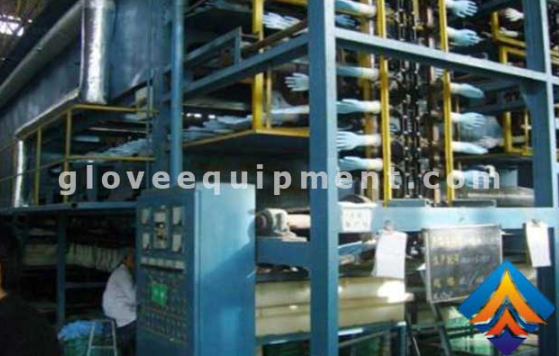
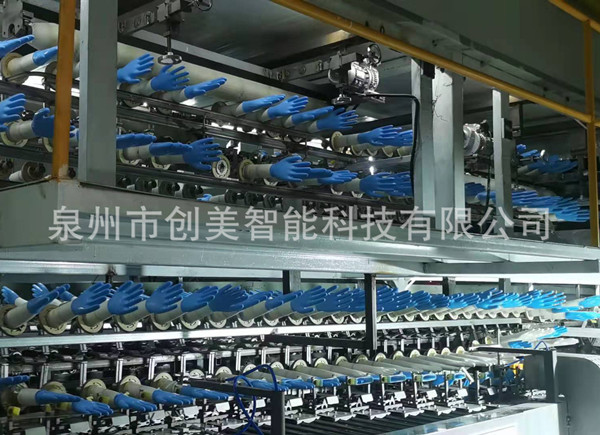
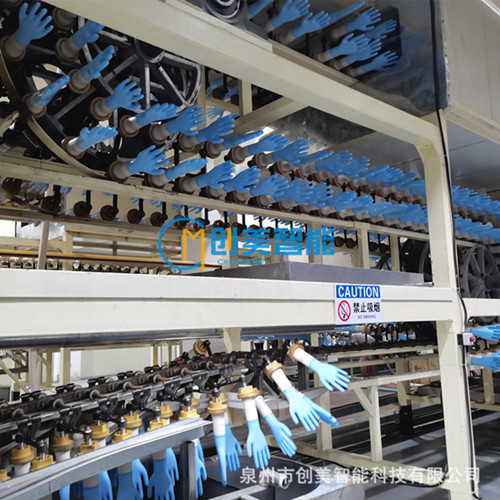
Latex Gloves Production Line

Latex Gloves Production Line

Product characteristics :


1. The latex gloves equipment can carry out humanized design according to various materials (natural rubber, NBR, PVC, PC curing and molding process), with the reasonable process and automatic balance glue replenishing system, so that the product is stable, the coating thickness is thin, the length is uniform, there is no vertical point, the temperature is uniform, the output is high, and the molding is easy and simple.


2. The oven adopts the principle of hot air circulation to make the internal temperature of the oven uniform. The high-performance insulation material is used to effectively ensure the temperature does not run off, so as to improve the use of the thermal efficiency of the machine. The automatic temperature control system is used in the heating system of the machine, with the high-performance control switch, to improve the accuracy of temperature control, so as to improve the qualification rate of the product. 3. The specially designed elastic piston mold connecting device is easy to replace the mold without mold dropping.


The process of latex gloves production line is as follows:


(1) the rubber is first sliced by the rubber mixer, and then sent to the sol cylinder to mix the sol with gasoline. After emulsification and modulation, the sol is pumped to the emulsion intermediate tank.


(2)the rubber solution dissolved in gasoline is fed from the top of the distillation tower, and distilled by steam heating. The light component of gasoline is heated into the gas phase, and the gasoline gas is mixed and cooled by cold water in the oil-gas cooler. The oil-water mixture goes to the oil-water separator and the oil-water is stratified. The upper gasoline is recovered, the lower water is pumped to the cooling tower for cooling, and the gas gasoline of the distillation tower is cooled after cooling;


(3) the emulsion of the distillation tower kettle is sent to the emulsion mixing tank according to its own pressure for mixing and mixing, and then it is separated from the glove raw emulsion by the centrifuge, and then it is used after color mixing and filtering.


(4)the glove model is first cleaned with acid and alkali, and then washed with water. The cleaned model is first heated by immersion in hot water until it is immersed in coagulant and dried for impregnation. After dipping, it is sent to the oven for preliminary drying, fiber inner sleeve, hot water flushing, and then sent to the oven for curing, drying, and forming. After demolding, the gloves shall be inflated for inspection, shaped at low temperature, dried at medium temperature, washed, dehydrated, and dried before being packaged and sent to the finished product warehouse.


We are a latex gloves production line suppllier. If you are interested in our products, please contact us now!

2023年5月15日星期一

Streamlining the Household Gloves Production Line: A Comprehensive Guide

 Household gloves are essential items in many households, especially in the wake of the COVID-19 pandemic. They are used for a variety of cleaning tasks and protection from harmful chemicals and pathogens. As a result, the demand for household gloves has significantly increased, prompting many manufacturers to establish production lines to meet the growing demand. In this article, we will discuss the steps involved in setting up a household gloves production line.

Research

The first step in setting up a production line is to research the market and identify the demand for household gloves in your target market. This will help you determine the scale of the household gloves production line and the type of household gloves to produce. You should also research the raw materials needed for the production process and identify reliable suppliers.

Design and Layout

Once you have identified the demand and raw materials needed, you should design a production line that meets your production needs. This involves designing a layout that maximizes efficiency and minimizes waste. You should also consider the flow of materials and workers in the production line to ensure a smooth production process.


Procurement of Equipment and Raw Materials

After designing the production line, you should procure the necessary equipment and raw materials. This includes sourcing machinery such as extruders, dipping tanks, and ovens. You should also source the raw materials needed for the production process, such as nitrile or latex rubber, chemicals for coating, and packaging materials.

Installation and Commissioning

Once you have procured the necessary equipment, you should install and commission the production line. This involves assembling the machinery, connecting utilities such as power and water, and testing the production line to ensure it is operating as expected.

Production

With the production line installed and commissioned, you can now begin production. The production process involves several steps, including:

Mixing the raw materials: The raw materials are mixed in an extruder to form a homogeneous mixture.

Dipping: The mixed raw materials are then dipped into a coagulant bath to solidify and form the gloves.

Coating: The gloves are then coated with chemicals to improve their strength and durability.

Curing: The coated gloves are cured in an oven at a specific temperature for a specific time to complete the production process.

Quality Control

Quality control is an essential aspect of the production process to ensure that the gloves meet the required standards. Quality control involves inspecting the gloves for defects and ensuring that they meet the required specifications. Any defective gloves should be rejected, and the cause of the defect identified to prevent future occurrences.

Packaging and Distribution

After quality control, the gloves are packaged and prepared for distribution. The packaging should be done in a way that protects the gloves during transportation and storage. You should also have a reliable distribution network in place to ensure that the gloves reach the end-users in a timely and efficient manner.

Conclusion

The demand for household gloves has increased significantly, and setting up a production line is a viable business opportunity. However, establishing a gloves production line requires extensive planning, research, and investment in equipment and raw materials. With the right equipment, raw materials, and production processes, you can produce high-quality household gloves that meet the growing demand.

2023年4月19日星期三

Principle of The Nitrile Double-moulded Production Line

 The raw material for the glove is pumped through a diaphragm pump into a raw material tank for mixing and preparation and is transported to various positions on the glove line for submersion during the line run. The ceramic hand moulds are first cleaned with acid, lye and water; the models are then immersed in hot water for cleaning. Afterwards, the clean moulds are dipped into the coagulant and other raw materials. The dipping procedure is as follows: first, the clean mould is dipped into hot water and heated until it is immersed in the coagulant and dried for immersion. After impregnation, they are sent to the oven for initial drying, the addition of the fibre inner sleeve and the rinsing of the hot water. It is then sent to the oven to be vulcanised, dried and moulded. After demolding, the gloves are inflated and inspected. Moulding at low temperatures. Drying at medium temperature. They are washed with water, dewatered and dried before being packed and sent to the finished goods warehouse.


Nitrile glove production line

Nitrile glove production line

How to Choose a Side Leakage Machine

  Choosing the right side leakage machine is crucial for ensuring the efficiency and reliability of your manufacturing process.   Side leaka...